What Is a Mobile App Event Taxonomy? (And Why Every App Team Needs One)
Most mobile app teams spend countless hours designing onboarding flows, improving paywalls, and building new features.
Far fewer spend time thinking about how they’ll measure whether any of it actually works.
That’s where an event taxonomy comes in.
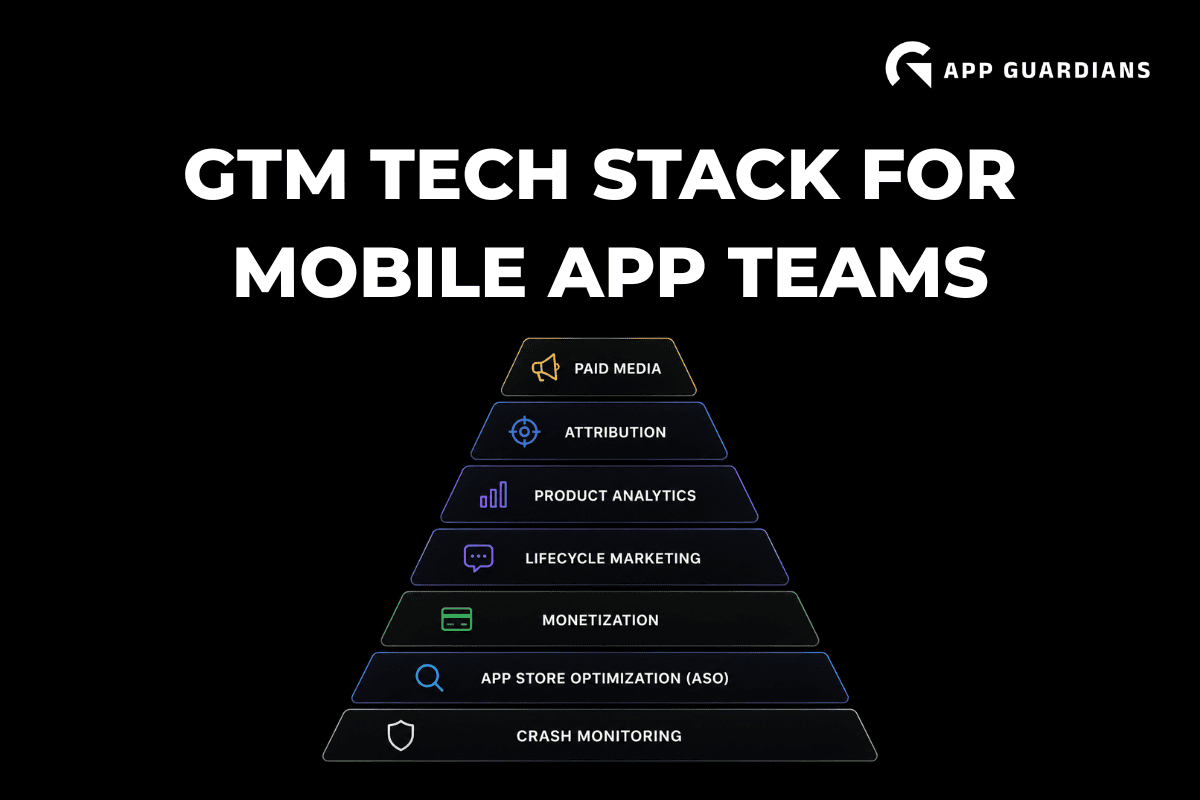
A well-designed event taxonomy forms the foundation of your entire growth stack. It powers attribution, product analytics, lifecycle marketing, advertising optimization, and business reporting. Without one, every platform ends up speaking a different language, making it difficult to trust your data or make confident decisions.
Whether you’re preparing for launch or already scaling your app, building an event taxonomy is one of the highest-leverage investments you can make.
What Is an Event Taxonomy?
An event taxonomy is a structured list of the important actions users perform inside your app.
Every meaningful interaction becomes an event.
Examples include:
- App Installed
- Account Created
- Email Verified
- Onboarding Completed
- Workout Started
- Paywall Viewed
- Trial Started
- Subscription Purchased
- Invite Sent
For each event, your team defines:
- Event name
- Event code
- Trigger or definition
- Parameters (additional information)
- Which platforms should receive the event
- Priority level
Think of it as the master blueprint that tells every tool in your technology stack exactly what should be measured.
Why Does It Matter?
Imagine your marketing team calls an event “Sign Up Completed.”
Your developers call it “registration_success.”
Your analytics platform tracks “create_account.”
Your lifecycle platform uses “new_user.”
Now everyone is reporting different numbers for the same user action.
This happens more often than most teams realize.
An event taxonomy creates one standardized source of truth so every platform measures the same user journey consistently.
As a result, reporting becomes more reliable, automation works properly, and everyone—from product managers to marketers—can make decisions using the same data.
Where Is an Event Taxonomy Used?
One of the biggest misconceptions is that event taxonomies are only for attribution.
In reality, almost every growth platform relies on them.
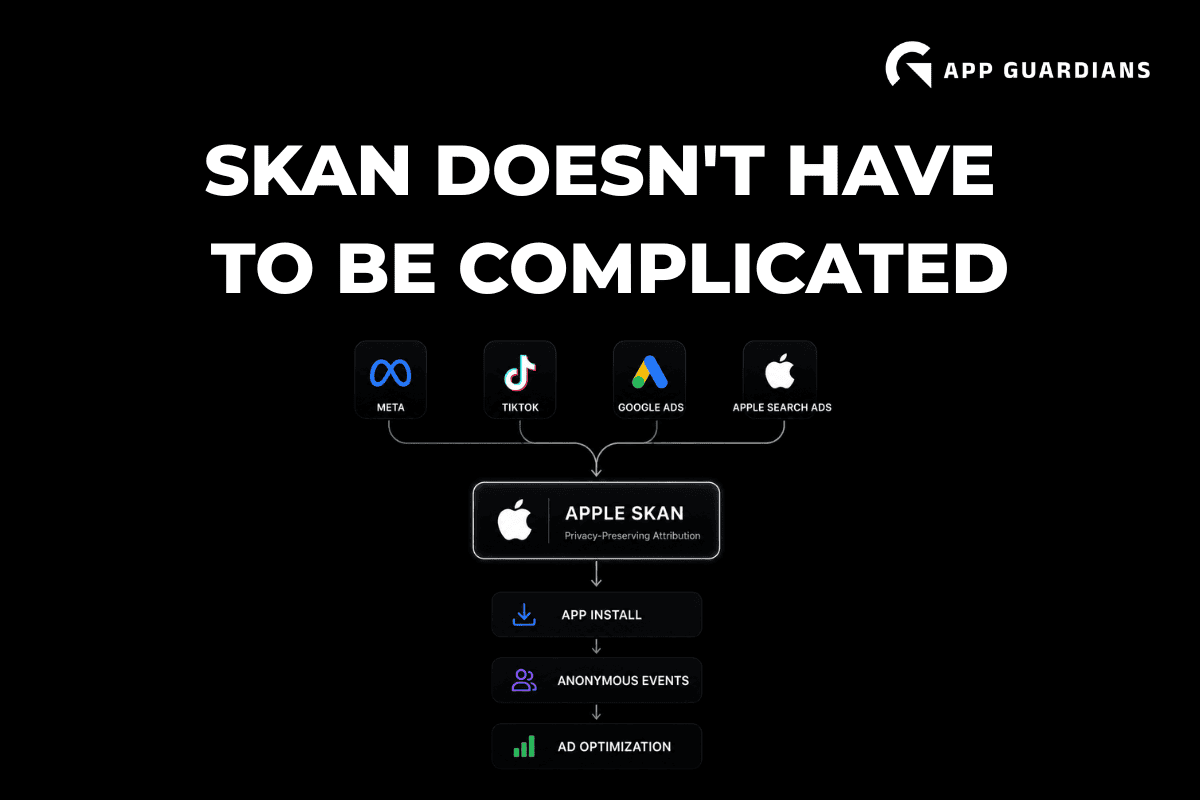
Attribution (MMPs)
Platforms like AppsFlyer, Adjust, and Branch use events to understand how users move from an advertisement into your app.
Instead of measuring only installs, attribution platforms can also report on valuable post-install actions like:
- Registration completed
- Trial started
- Subscription purchased
- First purchase
This allows marketing teams to measure campaign quality rather than simply counting downloads.
Product Analytics
This is where event taxonomies become incredibly powerful.
Platforms like Mixpanel, Amplitude, and Firebase use your event taxonomy to understand exactly how users behave inside the app.
Questions they can answer include:
- Where do users abandon onboarding?
- Which features are used most often?
- What actions predict long-term retention?
- Which content drives engagement?
- Which users eventually subscribe?
As your product grows, your event taxonomy usually grows with it.
Early-stage apps often track dozens of events.
More mature companies may track hundreds while maintaining consistent naming and documentation.
Lifecycle Marketing
Platforms such as OneSignal, Customer.io, and CleverTap use events to automate communication with users.
For example:
A user completes onboarding.
→ Send a welcome email.
A user starts a free trial.
→ Schedule trial reminder notifications.
A user hasn’t opened the app for seven days.
→ Launch a re-engagement campaign.
Without reliable event tracking, these automations simply don’t work.
Paid Advertising Platforms
Platforms like Meta, TikTok, and Google Ads don’t just optimize for installs anymore.
The best-performing campaigns optimize toward deeper business outcomes.
Examples include:
- Registration completed
- Trial started
- Subscription purchased
- First workout logged
- First order placed
Those optimization signals all begin with a clean event taxonomy.
The stronger the signal you send back to advertising platforms, the better they become at finding users who are likely to complete those valuable actions.
Internal Reporting
Product teams, founders, marketers, and executives all rely on the same event data.
When everyone references the same standardized events, dashboards become more accurate and discussions become much more productive.
Instead of debating whether the numbers are correct, teams can focus on improving them.
Start With an MVP Event Taxonomy
One mistake many teams make is trying to track everything.
That usually creates unnecessary complexity and slows development.
A much better approach is to start with an MVP event taxonomy focused on the highest-value business events.
We typically recommend organizing events into categories such as:
Acquisition
Events that measure how users enter your app.
Examples:
- App Installed
- First Open
- Deep Link Opened
Conversion
Events that measure progress through your onboarding and revenue funnel.
Examples:
- Account Created
- Email Verified
- Onboarding Completed
- Trial Started
- Subscription Purchased
Engagement
Events that measure meaningful product usage.
Examples:
- Workout Started
- Lesson Completed
- Message Sent
- Content Viewed
- Feature Used
Retention
Events that indicate ongoing usage and long-term value.
Examples:
- Day 7 Active
- Weekly Active User
- Session Started
- Consecutive Login
Referral
Events that measure organic growth.
Examples:
- Invite Sent
- Referral Accepted
- Friend Installed
Starting with these core categories gives your team a strong foundation while leaving plenty of room to expand as your product matures.
Your Event Taxonomy Should Evolve
Your first event taxonomy won’t be your last.
As your product grows, you’ll naturally introduce:
- New features
- New onboarding flows
- New subscription models
- Additional lifecycle campaigns
- More advanced product analytics
Each product release creates opportunities to expand your taxonomy and learn more about how users interact with your app.
The important thing is to start with a clean, standardized foundation rather than trying to measure everything on day one.
Final Thoughts

Related Articles
Most mobile app teams spend countless hours designing onboarding flows, improving paywalls, and building new features. Far fewer [...]

Launching a mobile app today requires much more than building a great product and turning on paid ads. [...]
-
If you've spent any time researching mobile app marketing, you've probably come across the terms SKAN or SKAdNetwork. [...]